Browsing Category

Art

Art

The key trends of the 1970s

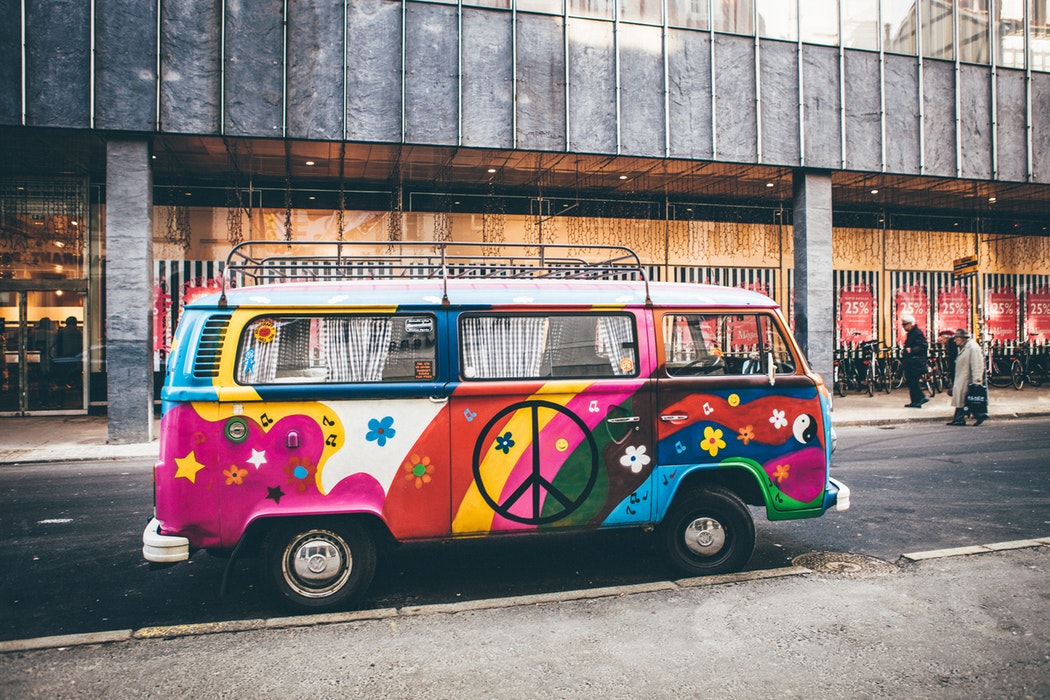
1970s van

The 1970s was a decade to be remembered in history. Not only revered for its introduction of technological advancements, the decade also paved the way for a new era of fashion and music trends which would go on to inspire and mould the creative outputs we see today.

The ‘70s was not only a key time in history but also a turning point when Gola became a household name, following the release of our flagship Harrier shoe in 1968. With such significant events occurring during this time, we take a look back through the 1970s to remember the best music, technology, hairstyles and fashion.

Groovy Music
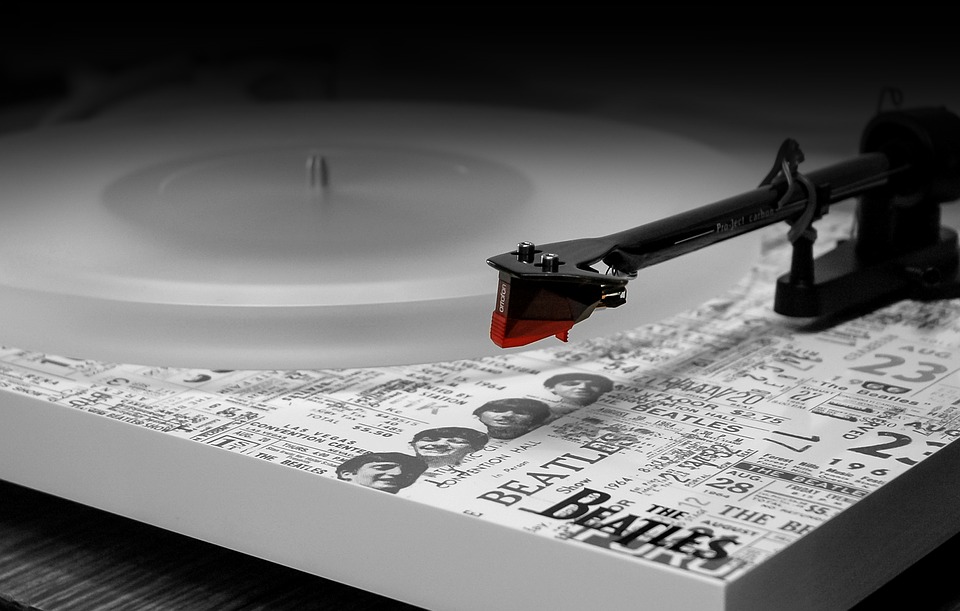
beatles record

The 1970s was all about experimentation with music. We saw greater diversity forming with the new wave of anarchic punk witnessed from the Sex Pistols alongside the juxtaposing upbeat development of funk and soul from legends like Aretha Franklin. The disco anthems of the Bee Gees provided some of the greatest hits of the ‘70s, with hits such as ‘Stayin’ Alive’, ‘Night Fever’ and ‘How Deep Is Your Love?’ all being released in the decade.

Musical icon David Bowie changed the way we experienced music with his evolving style and intriguing personas adding more dimension to his music, in particular the Thin White Duke became a key persona for the ‘70s era. Bowie’s songs proved to stand the test of time and are still enjoyed today, showing the longevity of his influence and the power of his talent.

Fleetwood Mac released their internationally acclaimed album ‘Rumours’ in 1977, which brought to the mainstream hits; ‘Go Your Own Way’, ‘Dreams’ and ‘The Chain’. Perhaps one of the most celebrated of all time and certainly one of the best-selling, the album documented the widely speculated relationship issues of the bands own members. ‘Rumours’ took the tribulations of Fleetwood Mac themselves and channelled it into a best-selling album which still stands up against chart music released today.

Legendary band ABBA formed in Stockholm in 1972 and would go on to win Eurovision in 1974, a feat which would help propel them to fame of astronomical levels. ABBA enjoyed a string of hits through the ‘70s, including renowned singles ‘Dancing Queen’ and ‘Money, Money, Money’. Not just inspiring in music, ABBA went on to influence films and stage, with their catalogue of songs turned into a movie and show ‘Mamma Mia’.

New Technology
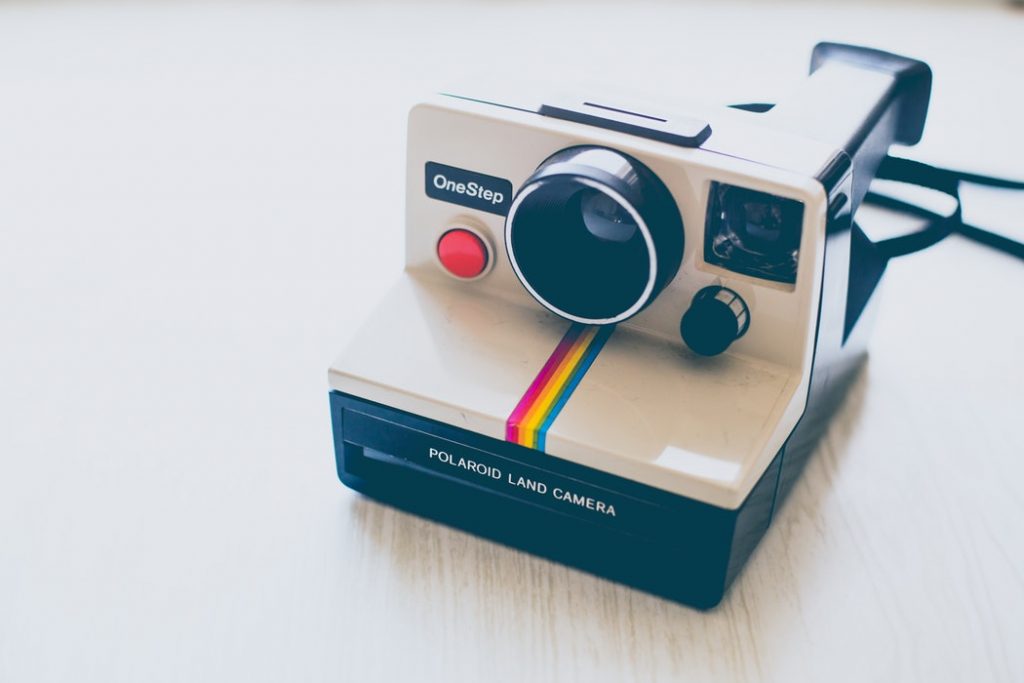
polaroid camera

Technology may have advanced in leaps and bounds over the years but it wasn’t that long ago we were all listening to tape cassettes and marvelling at the capabilities of a Pocketronic calculator. The Polaroid camera was created a few decades before the 1970s but saw a surge in popularity during this decade, as it allowed users to efficiently print their snaps in minutes and take with them on the go.

Entertainment advanced further with electronic game consoles being a must-have in many family homes. The Atari was a favourite pastime for ‘70s kids, who spent many a weekend trying to beat their high score on Pong.

The TV had already become an essential home item by the 1970s but the invention of the Videocassette Recorder made it all the more desirable to consumers, giving families the option to record their favourite shows and play them back at a later date. VHS tapes were released in the early ‘70s to allow storage of TV recordings, revolutionising the way we consumed television and ensuring quality television shows were never missed.

The home computer also took off in the ‘70s, with the Apple II becoming one of the first commercially successful PCs to be released. Created by technical geniuses Steve Jobs and Jerry Manock, the Apple II offered something new to the average household and took a different approach to competitors who were targeting the professional market at the time. Jobs ensured the Apple II design featured a plastic outer casing to be more appealing to the average person, concealing the wires and mechanics inside and being a more aesthetically pleasing computer to have at home.

Bold Fashion
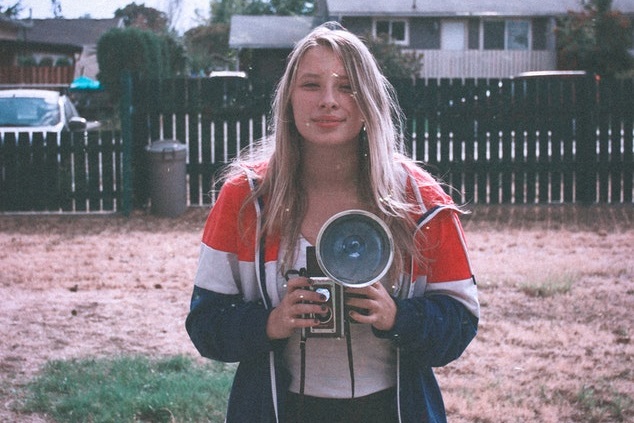
70s fashion

In the recurring cycle of fashion 1970s trends have returned in new iterations, but back in the day these trends were revolutionary and new to the experimental fashion consumer. Western themed clothes came to the forefront of design, as tan suede adorned many jackets, waistcoats and trousers. Fringing also became a huge trend of the decade, with jackets and skirts taking on the style in an abundance.

Menswear saw collars and cuffs go oversized, with accommodating flared trousers to suit. Colour matching suits and shirts were not popular during this time, as bold hues such as purples and blues were clashed with lime greens and oranges for a vibrant result.

For women, there were many trends on offer to provide a versatile choice of style. The ‘hippy’ movement inspired earth tones in both clothing and footwear, with maxi dresses and peasant blouses becoming more popular in pretty embroidered designs.

Shirts were colourful, with no shying away from clashing prints or textures with your outfits. Tie-dye was a popular DIY method of creating colourful prints on T-shirts. Button-down shirts also offered busy patterns and prints with psychedelic designs becoming popular to result in statement looks.

The influence of disco music and the new wave of rock and pop encouraged more fashion-forward observers to don jumpsuits on nights, not complete without sky-high platform heels to match. There was an androgyny to the stage outfits of artists such as David Bowie that birthed a new way to dress for the masses.

In sportswear, Tennis was the sport that influenced casual wear for men and women. Polo shirts became a staple silhouette to many wardrobes, often being paired with adhering tennis trainers in bright white hues. Tracksuits also grew to become everyday attire toward the end of the 1970s, as the beginnings of what we know as athleisure today developed.

Big Hair
retro hairstyle

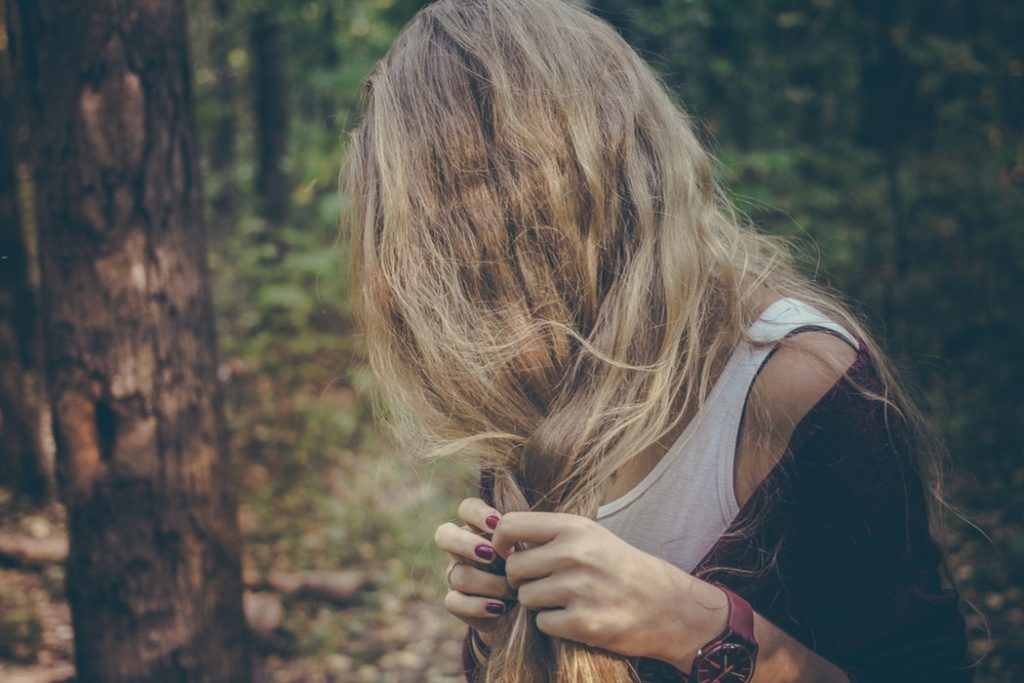
Hairstyles became bigger and wilder during the 1970s, as people looked for a new look to suit the changing times. Jane Fonda became a style icon, influencing women everywhere to go for the ‘Shag’ style and cut more layers into their hair and add a fringe to match. Women’s hair in general was looser and less styled, reflecting the free-spirited nature of the time.

Men’s hair also got less structured as more guys embraced a natural look and grew their hair long. Beards and mustaches also became more popular during this time, perhaps inspired by the top musicians of the time.

Think you know all about the 1970s? Take our retro quiz and see if you recognise the faces and items.
Art Born in Britian Fashion Music & Pop Culture

How 80s and 90s Manchester Music Changed Male Fashion

90s Music

Music and fashion is a stormy marriage. For one artist it’s a supportive crux that keeps them in the limelight (Madonna’s cones and anything Gaga), for others it’s the first sign that things are on the slide (Sinitta’s X-Factor palmleaf dress).

But the clothing choices we make owes a lot to bands and singers, and few areas can boast a heavyweight title in this area than the Manchester music scene.

This vibrant north-west England metropolis — the first city outside of London to open an Armani shop — is divided between delirious Madchester, rhythmic Northern Soul, and ballsy Britpop. A city that fuses ‘Manc Swag’ and all-night clubbing with high-end designer shops and ultra-chic hangouts; we’re looking at how Manchester music launched male fashion into unchartered territory.

Manchster music

Happy Mondays

If you hear Madchester, one of the first bands you see is Happy Mondays. The term Madchester became part of British vocabulary in the 1990s. It was created to sum up a revolution in Manchester’s music scene, as well as the surging popularity of psychedelic rock and electronic dance music. Madchester’s quirky/bohemian clothes and fresh sound worked together to create a cultural phenomenon in the city, which centred around the explosion in the availability of ecstasy that changed a ‘night out’ into an entirely new experience.

Before anyone knew it, ‘baggy music’ — a genre of funk, house, guitar rock, and psychedelic sounds — was born and Happy Mondays fandom soared.

Even excluding the band’s hallucinatory sound, mad performances and off-stage behaviour, Happy Mondays is one of the most entertaining bands ever to hit music fashion.

Think flared jeans, buttoned up shirts and hippie-like tops (or just Shaggy from Scooby Doo) topped off with a fishing or bucket hat and you’ve got a visual style that is Madchester through and through. Happy Mondays fans quickly followed suit and even today, we can buy the smiling ‘acid face’ logo emblazoned on t-shirts and hoodies, which shows how the band’s fashion legacy has kept strong.

Stone Roses

A lot like Happy Mondays, Stone Roses helped to marry music and fashion, and were massive players on the Manchester music scene. Founding member, Ian Brown, led the band to international stardom in the 1980s, and they soon become famous for their distinctive style and resurrection of flared trousers.

From the fisherman bucket hat to the Adidas jacket, Stone Roses fashion was all about loose clothes and a casual dress sense. You catch Stone Roses fans sporting tracksuit tops, floral or checked shirts, too-big Stone Island sweatshirts, and maybe even the iconic ‘mod cut’ hairdo made famous by Brown himself. This messy haircut is a mix of classic rock and ‘baggy style’, influencing stars and fans alike over many years — including Liam Gallagher and The Enemy.

Stone Roses helped to create a fashion spin-off of the ‘baggy music’ genre that fans loved, and this Manchester band became synonymous with the term, scally — a word first used to simply describe a working class person with a casual/sportswear dress sense that is now, unfortunately, almost always used as an insult for yobbish behaviour.

Oasis

Another of Manchester music’s most famous bands, Oasis, formed in 1991 and won countless MTV, NME and Brit awards before splitting in 2009.

Immediately when you think of how Oasis dressed, you probably imagine khaki parkas, baggy shirts and Lennon-esque glasses. A big part of music and fashion in Manchester around Oasis’ heyday was the revival of the 1960s’ Mod, which Oasis spearheaded amazingly.

Original mod fashion brought together tailored suits and military-style trench coats with buttoned-down collars and fitted trousers. Bands like Oasis took hold of this idea and spun it into something that fitted perfectly into the world of Manchester music. Keeping the streamlined look, Oasis gave mod fashion a rockier edge with Paisley-print shirts, tracksuit jackets, messy haircuts, khaki coats zipped up to the chin, and straight/slim fit jeans (never skinny).

Brands like Levi, Fred Perry and Tommy Hilfiger were often found draped on The Gallaghers, who also loved the lightweight, waist-length look of the Harrington jacket. This garment was actually first made in Manchester, which probably made it a source of pride for the Mancunians, and it was the perfect mix of smart/casual for the quintessential 90s’ mod look.

Throughout their time at the top, the Oasis boys loved the odd Kangol-branded bucket hat like the rest of Madchester, and made sure to sling on plenty of Adidas tracky jackets (fully-zipped) for the ultimate lad-look that you see everywhere today.

Oasis continues to influence the world of fashion. Ex-member, Liam Gallagher, started fashion label, Pretty Green, in 2009 which has had great success in bringing Oasis’ mod/Britpop/90s’ lad fashion into 2017.

Joy Division

A Manchester music scene titan, Joy Division was originally called Warsaw and formed in 1976. It had great commercial success before the death of lead singer, Ian Curtis; but was also a leader in alternative fashion that still influences fans today.

The band had a very simplistic attitude to clothing. Tucked-in dress shirts, plain suit trousers, brogues, and large overcoats with upturned collars was the style of Joy Division. Similar to The Smiths, Joy Division opted for monochrome shades that didn’t attract attention and helped encapsulate the dark, emotional, disenchanted sound that was Joy Division’s post punk/gothic rock legacy.

The Smiths

Eighties’ rock band, The Smiths, had huge influence over the independent music scene and inspired a wave of alternative rock/indie pop groups. But when questioned about fashion, Morrissey was brutally dismissive of clothing trends and claimed that The Smiths were pretty much the worst dressed band ever.

Many fans clearly disagreed and Morrissey is still known for his quiffed hairstyle and wire-rimmed glasses (which possibly inspired Liam Gallagher’s spectacles affinity). The Smiths’ uniform consisted of baggy shirts, over-sized cardis and large jumpers, but they also had a grungier side that was made up of acid-washed/ripped jeans, leather jackets and sunglasses. These styles worked to cement the band’s unique and unforgettable sound that blended poignant, multi-layered songs with an undertone of youth angst and discontent.

The Smiths came about at a time when the flamboyant costumes of Duran Duran, Adam Ant and Culture Club sashayed around the opposite side of the Eighties’ music stage. However hard Morrissey fought on the side of art against fashion pageantry, The Smiths still inspired generations of dressers who go for the thoughtless, laid-back, ‘thrown-on’ look every morning.

Manchester music and fashion has revolutionised British style for decades. Check out our range of retro men’s and women’s plimsolls for your own alternative look.

Top